I’m at a reading. Famous and decorated novelist, Señorita So-and-So, has worked their way through the interviewer’s questions. She has fifteen minutes left on stage, before her book signing. “So, let’s now go to the audience questions,” the interviewer says. Hands shoot up in the crowd. And sure enough, you can bet the farm on it, variations of two questions will crop up almost instantly. One, “how much of this [fictional work] is based on real life?” (we’ll get to this one at a later date, for sure). And two, of most interest here, “what’s your writing routine?”
The person asking the question, I can see this is not their first rodeo. The way they hold themselves in the room, seated towards the front. The steadiness in their voice. A copy of the novelist’s book resting on their lap, pre-purchased and already read at home. Maybe they’ve noted tens, hundreds even, of writers’ routines. With this kind of attention to detail, they themselves are surely a writer.
I confess: this obsession on the writer’s routine frustrates me.
For Señorita So-and-So, typically, will go on to describe the room they write in, the hours they keep, what brand of tea they drink while writing, how much plotting goes on, maybe how much freedom for experimentation and carelessness they permit themselves during a first draft (fair play to the novelist for patiently answering this question for the 15,682 time in their career). At the end of it, more often than not, we learn that they don’t do anything grossly different to ourselves. We’re left none the wiser as to why the words that dance onto their page are so superior to those that stumble onto ours. So why this fixation on how a writer practises their craft? Can routine illuminate talent? Is that even the point?
Maybe frequency of routine can illuminate talent. Señorita So-and-So writes every day between the hours of 9am till 3pm. She’s put the hours in. She’s made mistake after mistake, travelled down wrong road after wrong road, yet, I’m guessing, has calmed her frustration, and ego, enough to take on feedback and clarify the ‘right’ road. So maybe the audience member is soothed by the idea that their similar dedication – albeit stymied by the lack of a six-figure advance and a celebrated back-catalogue, and so the need to pay their rent/mortgage via other means that, of course, divert their attention from writing – will lead to success.
Or maybe this isn’t the point. For an avid reader, it may be enough to experience the thrill of imagining the writer at their desk. But what does a writer want from this question of routine? Reassurance that they’re ‘doing it right’, which will make them more inclined to stay in their seat, fingers at the keyboard, for longer? A sense of community, in what is essentially a lonely pursuit? Revelations in the form of tips, tricks, hacks?
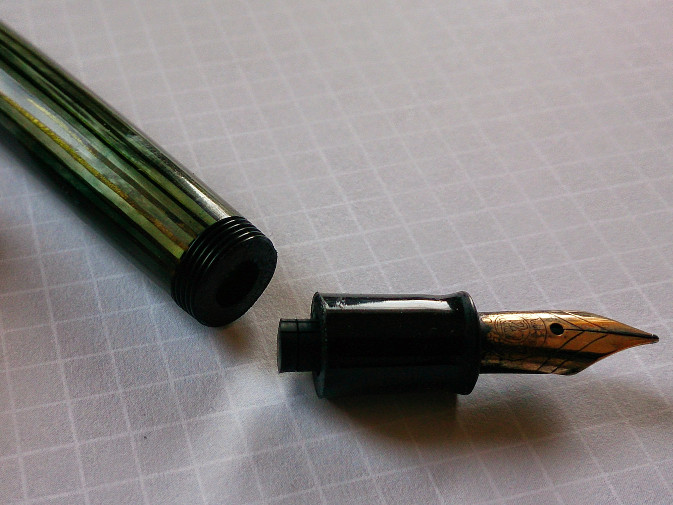
A creative writing teacher once told us in class: “Don’t kid yourselves, fucking around with your font for half an hour is not writing.” Maybe it’s the same with obsessing over a writer’s routine. Yes, it’s necessary, inspiring even, to understand the writer’s life. But overly focusing on this idea – the writer’s life – won’t help us. It’s a practice, not a concept. Only by figuring out how we’ll do our own work, will we progress and improve. And more importantly, we’ll need to recognise the dangers of solidifying our routine, this how: by convincing ourselves that this is surely the only possible way in which we can work, we will ultimately create more barriers between ourselves and the page. “Oh, I have no cartridges left for my special fountain pen, I can’t work until I resolve this issue. I must depart to the writing store post haste.” And sure enough, the desk, the page, the work, is abandoned.
In my first official meeting with my university supervisors, they asked me about my writing routine. I still cringe when thinking about my reply: you just have to put your arse in the seat and write. It probably seemed defensive, or flippant. Arrogant even. But I do believe it. Maybe I could have explained myself more constructively, though. Maybe something like – and I’m definitely paraphrasing someone here (apologies for not remembering exactly who) – put as few boundaries as possible between yourself and the page.
And for the record, my preferred routine:
- Head to a coffee shop (boringly, I prefer Costa for its cushioned benches and because, as it’s a large corporation, I don’t feel guilty for only buying one drink the entire time). I like the buzz of people when writing fiction.
- Start by close reading 2-3 pages of a work that links to my own in terms of theme or style, writing notes in the margins.
- Write by hand for anywhere between 3-5 hours (I like that the need to transfer to laptop instantly forces an editorial stage).
- Maybe, if my energy’s holding, do said editorial stage after lunch.
- Repeat Monday to Friday, taking the weekend off.
But – this almost never happens. Like, only 5-10% of my writing time. And yet, words can still emerge.
Further reading:
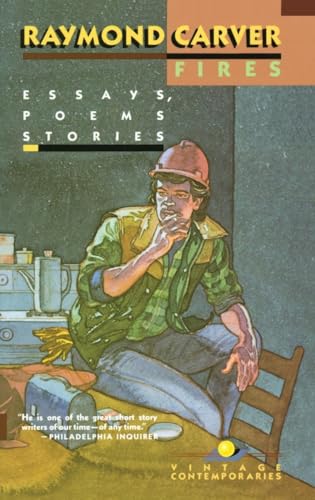
‘Fires’ by Raymond Carver
‘What writers really do when they write’ by George Saunders
https://www.theguardian.com/books/2017/mar/04/what-writers-really-do-when-they-write
 Work Shoot Confessional
Leave a comment